
Understand the Dangers of Agricultural Chemicals and Demand Change from our Leaders

What’s Broken
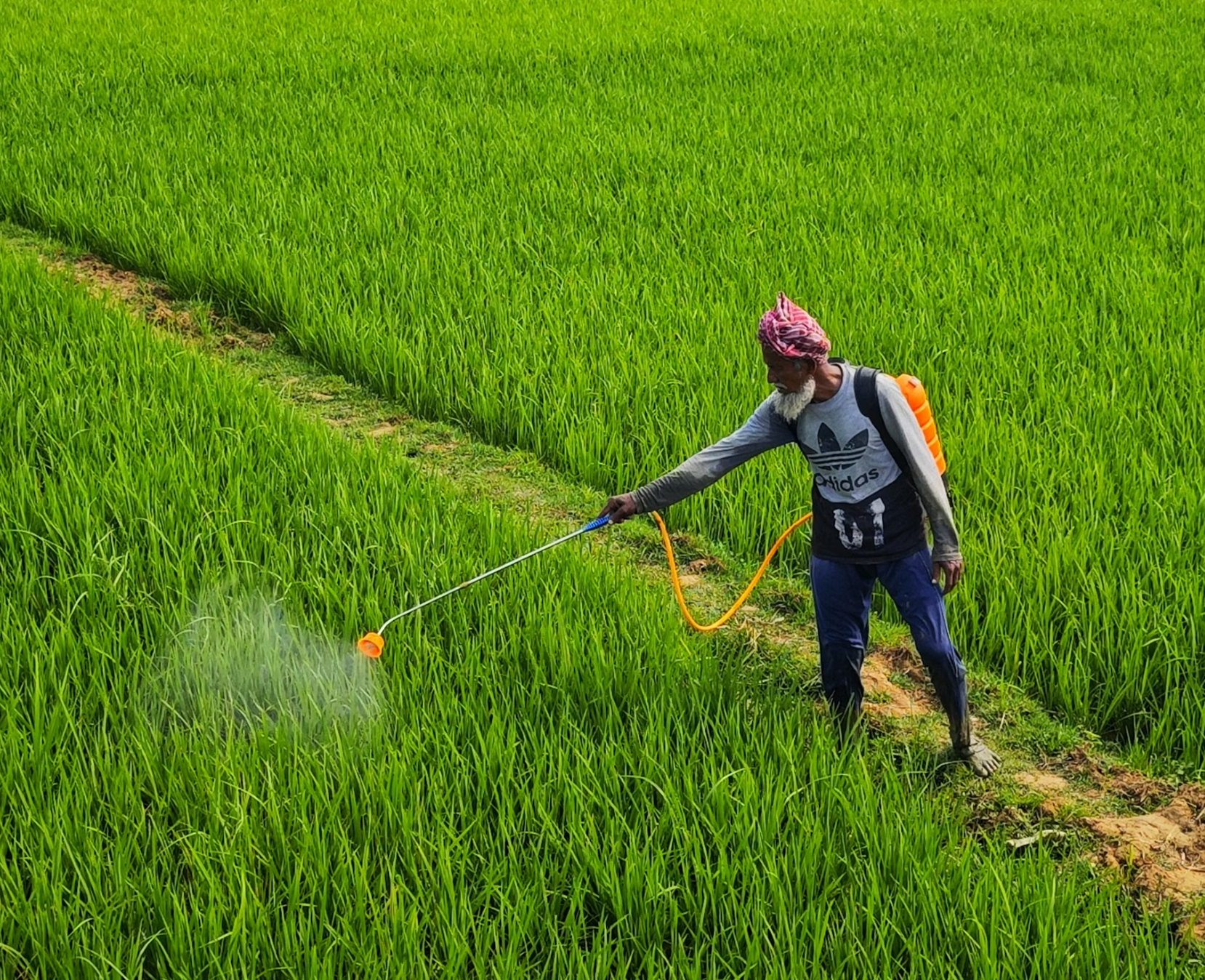
Even when choosing organic food, we can’t avoid chemicals from conventional agriculture that disperse ubiquitously throughout the air into our soil and water. Escape is not an option and minimizing our risks is a losing battle. We must evolve our farming to have the utmost value for the health and safety of the food we feed our families. Nobody wants pesticides on the menu and there is more we can do to reduce their use and transition to safer alternatives.

The Fix
Educate ourselves and others about the risks agricultural chemicals pose to our health and the environment. When we are properly informed we can more easily rally with our community and push for precautionary policies to better regulate hazardous chemicals used in food production.

How to Take Action
- Supporting organic and regenerative agriculture is the easiest step and strongest path toward a tipping point where non-toxic food production can be the norm
- Tell your representatives on agriculture committees to restore funding for Conservation Technical Assistance and increase funding for Crop Protection and Pest Management (CPPM). These programs facilitate research and outreach for farmers to incorporate Integrated Pest Management (IPM) that uses chemicals as a tool of last resort
- Pressure politicians to enact legally binding targets to reduce pesticide use and risk as seen in Europe
- Demand the ban of the most hazardous agriculture chemicals. Paraquat, chlorpyrifos, atrazine, and neonicotinoids have all been banned in Europe. Some states and communities have successfully banned some of these chemicals. Search if your state has any groups working on this legislation
- Urge congress to support the PFAS Action ACT (H.R. 6805). PFAS chemicals have been used to enhance pesticides for decades and their use in new products is surging. The FDA has also approved a new class of PFAS-based pesticides
- Enact a ban on sewage sludge like Maine. The application of municipal sewage sludge as a fertilizer is another major source of PFAS contamination of farmland and groundwater that must end

Resources & Links
Education and community action:
Policy recommendations:
